PJFP.com

Pursuit of Joy, Fulfillment, and Purpose

Day: January 10, 2023

  • The Eternal Mystery of Beauty: A Thoughtful and Provocative Exploration of the Nature of Beauty and How it is Perceived and Experienced

    One of the most enduring and thought-provoking questions in the history of humanity is “What is the nature of beauty?” This question has been asked by artists and philosophers throughout history, and continues to be a topic of debate and contemplation.

    The nature of beauty refers to the fundamental nature of beauty and how it is perceived and experienced. It encompasses questions about the criteria for determining beauty, the cultural and historical context of beauty, and the role of beauty in art and aesthetics.

    There are many different philosophical and artistic perspectives on the nature of beauty, and these perspectives have evolved over time as new ideas and insights have emerged. One of the most influential philosophical perspectives on the nature of beauty is the concept of objective beauty, which holds that beauty is a quality that exists independently of the observer and can be objectively judged.

    Another perspective on the nature of beauty is the idea of subjective beauty, which holds that beauty is a matter of personal preference and that different people may have different ideas about what is beautiful. This perspective is often associated with the idea of relativism, or the belief that beauty is culturally and historically determined.

    The nature of beauty is also a topic of study in fields such as psychology and sociology, and is closely related to concepts such as perception, aesthetics, and art criticism.

    Despite the many different perspectives on the nature of beauty, the question remains one of the most enduring and thought-provoking in the history of humanity, and continues to fascinate and inspire people of all ages and walks of life.
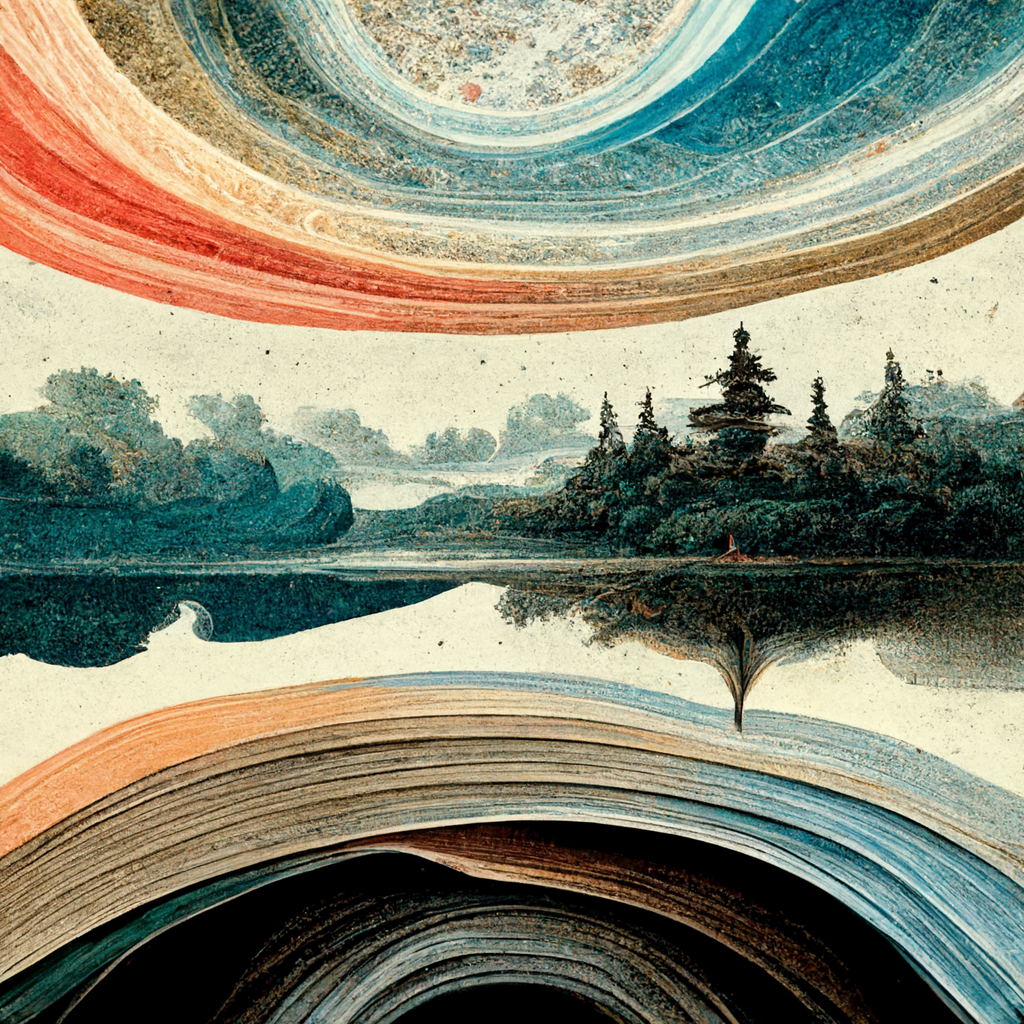
  • Uncovering the Nature of Knowledge: A Detailed Look at the Philosophical and Scientific Perspectives on How We Acquire, Store, and Use Information

    One of the most enduring and thought-provoking questions in the history of humanity is “What is the nature of knowledge?” This question has been asked by philosophers and educators throughout history, and continues to be a topic of study in fields such as epistemology and education.

    The nature of knowledge refers to the fundamental nature of knowledge and how it is acquired, stored, and used. It encompasses questions about the validity, reliability, and accuracy of knowledge, as well as the methods and processes by which knowledge is gained and transmitted.

    There are many different philosophical and scientific perspectives on the nature of knowledge, and these perspectives have evolved over time as new evidence and insights have emerged. One of the most influential philosophical perspectives on the nature of knowledge is empiricism, which holds that knowledge is derived from experience and that the senses are the primary source of knowledge.

    Another perspective on the nature of knowledge is rationalism, which holds that knowledge is derived from reason and that the mind is the primary source of knowledge. This perspective is often associated with the idea of innate knowledge, or the belief that certain concepts and ideas are present in the mind from birth.

    The nature of knowledge is also a topic of study in fields such as psychology and sociology, and is closely related to concepts such as learning, memory, and intelligence.

    Despite the many different perspectives on the nature of knowledge, the question remains one of the most enduring and thought-provoking in the history of humanity, and continues to fascinate and inspire people of all ages and walks of life