PJFP.com

Pursuit of Joy, Fulfillment, and Purpose

Day: March 1, 2023

  • Unlock the Inspiration of Nature: Tips for Artists

    Unlock the Inspiration of Nature: Tips for Artists

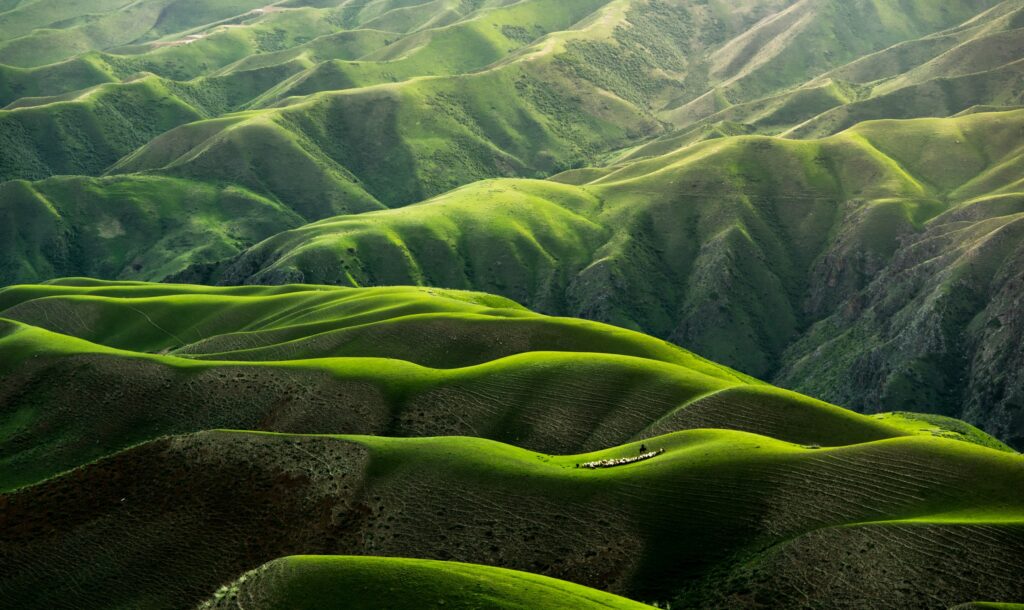
    Nature is the ultimate canvas for artistic expression. From the grandest landscapes to the tiniest insects, nature is a never-ending source of inspiration and wonder. It is a reflection of the beauty and complexity of the universe, and an endless source of inspiration for those who seek to understand and appreciate it.

    The natural world is a constantly changing tapestry of light, shadow, and color. As the seasons change and the sun travels across the sky, we are treated to an ever-changing display of nature’s beauty. Whether it’s the first light of dawn, the golden glow of sunset, or the deep blue of a starry night, nature offers us an endless variety of visual inspiration.

    But nature is not just about visual beauty. It is also about the sounds, the smells, and the sensations that we experience when we are immersed in it. The songs of birds, the rustle of leaves in the wind, the rush of water over rocks, and the scent of blooming flowers are all part of the natural symphony that surrounds us.

    Nature is also a teacher. It teaches us about the cycles of life and death, about the importance of balance and harmony, and about the delicate interconnectedness of all living things. By observing nature, we learn about the patterns and rhythms that govern the world, and we gain a deeper understanding of our place in it.

    As artists, we can draw on the beauty and wisdom of nature to inform and inspire our work. Whether we are painters, writers, photographers, or musicians, nature offers us a boundless source of inspiration. By immersing ourselves in nature, we can tap into the deeper truths and mysteries of existence, and use them to create works of art that resonate with the human spirit.

    In the end, nature is not just something to be admired from afar, but something to be experienced and understood. By connecting with nature, we can deepen our understanding of ourselves and the world around us, and use that understanding to create works of art that are truly unique and amazing. So, let’s take a step outside and let nature be our guide, and be amazed by the beauty that surrounds us.

  • Mental Toughness: What One Student Learned from Meditating 15 Hours a Day for 6 Months Straight

    This article is about this twitter thread:

    Cory Muscara’s six months with Sayadaw U Pandita, one of the toughest Buddhist monks on the planet, was a life-changing experience. Muscara meditated 15 hours a day, sleeping only two to five hours a night, with no reading, writing, or speaking allowed. He endured tremendous pain and yet gained insight. Here is a look into the lessons he learned.

    Muscara discovered that finding one’s true self is an act of love, while expressing it is an act of rebellion. He also saw a sign of growth as having both more tolerance for discomfort and less tolerance for “bullshit.” He learned that although who one is isn’t their fault, it is their responsibility. Procrastination, he discovered, is a refusal or inability to be with difficult emotions. Desires that arise from agitation are more aligned with one’s ego, while those from stillness are more aligned with one’s soul.

    Muscara learned that the moment before letting go is often when one grips the hardest. One finds their ground not by looking for stability, but by relaxing into instability. He also discovered that what one hates most in others is usually what one hates most in themselves, and that the biggest life hack is to become one’s own best friend.

    As Muscara became more comfortable in his own skin, he no longer needed the things he thought he needed to be happy. He also learned that if one doesn’t train their mind to appreciate what is good, they’ll continue to look for something better in the future, even when things are great. He saw that the belief that a future moment is more worth one’s presence than the one they are in is why they miss out on life.

    Muscara also discovered that there is no set of conditions that leads to lasting happiness, and that lasting happiness comes from learning to flow with conditions. He saw that one should spend more time cultivating a mind that is not attached to material things than time spent accumulating them. He learned that sometimes one needs to get out of alignment with the rest of the world to get back into alignment with themselves, and that real confidence looks like humility.

    Muscara found that a high pain tolerance is a double-edged sword, and that negative thoughts will not manifest a negative life, but unconscious negative thoughts will. To feel more joy, he found, one must open to their pain. He also observed that bullying oneself into enlightenment does not work, and that peak experiences are fun, but one always has to come back.

    Meditation, Muscara discovered, is not about feeling good, but feeling what one is feeling with good awareness. He found that if one can watch their mind think, it means who they are is bigger than their thoughts. Practicing stillness is not about privileging stillness over movement, it’s about the capacity to be still amidst one’s impulses.

    Muscara also realized that the issue is not that one gets distracted, but that they are so distracted by distractions they don’t even know they are distracted. He saw that life is always happening in just one moment and that’s all one is responsible for. He learned that one’s mind doesn’t wander, it moves toward what it finds most interesting, and that life continues whether one is paying attention to it or not.

    Sayadaw U Pandita passed away in 2016, but he left a lasting impression on all his students, including Muscara. His teachings changed Muscara’s life in ways he can’t describe, and he is forever grateful.