PJFP.com

Pursuit of Joy, Fulfillment, and Purpose

Day: November 9, 2023

  • Amazon Charts New Territory with ‘Vega’: A Homegrown OS for Smart Devices

    Amazon, the global e-commerce behemoth, is reportedly taking a bold step away from Android with the development of its own operating system for Fire TVs and smart displays. According to sources and internal discussions, the project, internally dubbed ‘Vega’, is set to revolutionize the software backbone of Amazon’s suite of connected devices.

    The initiative, which has been under the radar since as early as 2017, has gained traction recently with the involvement of notable industry professionals like former Mozilla engineer Zibi Braniecki. With Vega, Amazon aims to shed the technical limitations imposed by Android’s legacy code, which was originally designed for mobile phones, not the burgeoning smart home market.

    Vega is poised to offer a Linux-based, web-forward operating system, pivoting towards React Native for app development. This shift promises a more unified and efficient development environment, enabling programmers to create versatile apps that are operable across a myriad of devices and operating systems.

    This strategic move by Amazon seems twofold: gaining technological independence from Google’s Android, and establishing a more robust platform for reaching consumers through various devices, potentially increasing revenue through targeted ads and services.

    As Vega’s development continues, with a possible rollout on select Fire TV devices by next year, Amazon sets the stage for a new era in smart device interaction, aligning itself for greater control over its technological destiny and consumer reach.
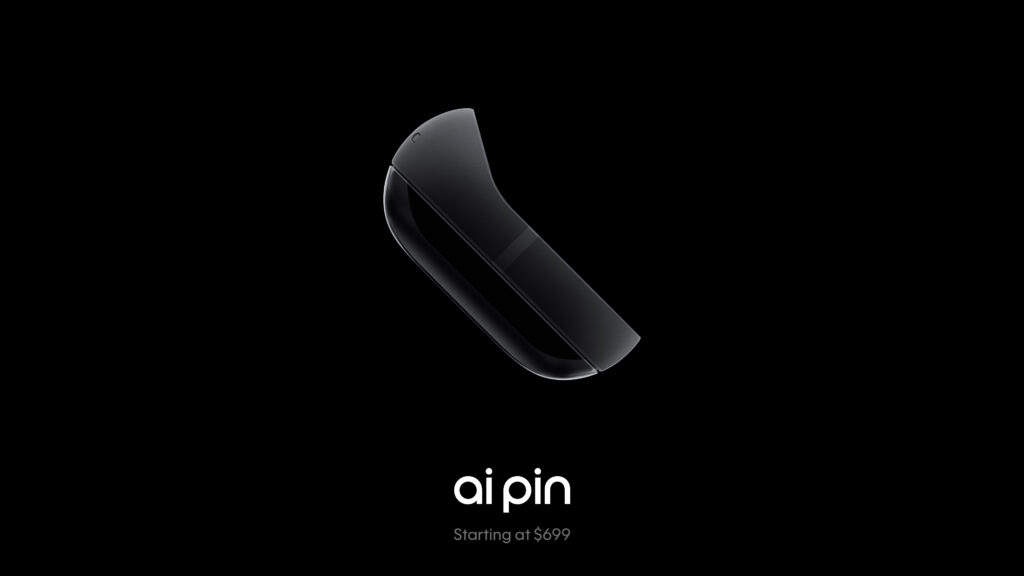
  • The Future of Wearable Tech: Humane’s Ai Pin as Your New Smartphone Companion

    In an age where smartphones dominate our daily lives, Humane introduces a groundbreaking alternative: the Ai Pin. A wearable device that clips to your clothing, the Ai Pin promises a future where technology aids us discreetly throughout the day. Starting at $699, the Ai Pin is not just a gadget; it’s a lifestyle revolution.

    A Step Towards Subtle Tech

    Humane’s Ai Pin is more than a novel accessory; it’s a statement that technology can be both powerful and unobtrusive. Designed to be worn like a pin, this device boasts capabilities that challenge our reliance on smartphones. From capturing photos to projecting interfaces onto your palm, the Ai Pin incorporates a virtual assistant as sharp as ChatGPT, allowing users to navigate through their day with ease and efficiency.

    The Design and Function

    The Ai Pin’s sleek design, carved from a single piece of aluminum, is a modern-day brooch that doubles as a high-tech companion. It’s equipped with an ultrawide camera, light and depth detectors, and a laser projector, which allows it to project a visual interface onto the user’s palm. The device is controlled via taps, hand gestures, and voice commands, offering a seamless interaction that feels natural and intuitive.

    Privacy and User Experience

    Humane has prioritized user privacy with the Ai Pin, ensuring it is transparent about recording and not constantly listening for wake words like many current smart devices. This commitment to privacy does not sacrifice its capabilities; the Ai Pin offers unlimited calling, texting, and data, promising to keep users connected without compromise.

    The Bigger Picture

    The Ai Pin is a harbinger of wearable devices that incorporate AI services similar to those used by millions each week. It’s not just about the technology; it’s about changing the way we interact with the world around us. With Humane’s commitment to creating devices that enhance human connection rather than act as barriers, the Ai Pin could very well be the first in a new wave of personal technology.

    Humane’s Ai Pin is not just a device; it’s a vision of a future where technology blends seamlessly into our daily attire, offering the power of a smartphone without the need to carry one. It’s a bold step forward in wearable AI, and only time will tell if it will become as ubiquitous as the smartphones it seeks to replace.