PJFP.com

Pursuit of Joy, Fulfillment, and Purpose

Tag: Bitcoin

  • Tad Smith on Bitcoin, AI, and the Future of Investing: Why Purpose Will Outlast Profit

    Tad Smith, a former CEO of Sotheby’s and Madison Square Garden, shares his journey into Bitcoin and his evolving investment philosophy. Initially skeptical, he became convinced of Bitcoin’s value after exploring concepts of money and wealth in an inflationary world. Smith now prioritizes assets like Bitcoin, art, and specific real estate to “beat the money printer,” shifting from a diversified portfolio to focused investments. He values MicroStrategy’s unique approach to Bitcoin, though he cautions about volatility. He also foresees a future where AI reshapes art, work, and education, advocating that future generations pursue fulfillment over traditional career paths.


    In a recent conversation, Tad Smith, former CEO of Sotheby’s and Madison Square Garden, shared insights on Bitcoin, alternative assets, and the rapidly changing landscape of investing and work. Currently a partner at 1 RoundTable Partners, Smith has pivoted from traditional finance to a focus on digital assets, particularly Bitcoin. His evolving outlook on wealth, investment strategies, and the impact of artificial intelligence reveals a forward-thinking approach that resonates with both seasoned investors and the younger generation.

    From Skeptic to Believer: Tad Smith’s Journey into Bitcoin

    Smith’s path into Bitcoin started with doubt but eventually led to conviction. Despite his extensive background in finance with firms like JP Morgan and his work in media, he initially struggled to see how Bitcoin held intrinsic value. However, after diving into concepts of currency, value, and wealth preservation, Smith recognized that Bitcoin could counter inflation and the devaluation caused by “money printing”—a term describing the inflationary policies of central banks.

    Bitcoin, for Smith, is more than an asset; it’s a shield against inflation, a “strongest horse in the race,” capable of maintaining value when traditional investments may not. He now holds a focused portfolio concentrated on assets he believes can “beat the money printer.” This includes Bitcoin, high-end art, and selective real estate, especially in valuable coastal areas.

    The Power of Focused Investment Over Diversification

    Smith challenges the traditional finance wisdom of diversification, asserting that a concentrated portfolio can be more powerful in today’s economy. In his view, spreading investments too thin makes it difficult to achieve relative wealth, especially in a world where inflation is steadily eroding purchasing power. Instead, he champions a strategy of deep investment in select areas with long-term value, including rare collectibles, fine wine, and blue-chip tech stocks.

    Why Smith Supports MicroStrategy as a Bitcoin Proxy

    Smith’s support for MicroStrategy, a publicly traded company with a strong Bitcoin position, reflects his belief in the potential of corporations to integrate Bitcoin into their treasury and offer exposure to the digital asset. Although he values MicroStrategy’s unique approach, he acknowledges the high volatility of its stock. For those prepared for a “volatile ride,” Smith sees potential in MicroStrategy as a more accessible way to invest in Bitcoin, particularly for those who prefer the security of a public company over direct Bitcoin ownership.

    Insights on Board Governance and Leadership

    Smith’s extensive experience on boards gives him a unique perspective on effective governance. He stresses the importance of “hygiene” in board discussions, meaning that all voices should be heard and decision-making should be structured and transparent. Good “board hygiene,” according to Smith, leads to higher performance and strategic clarity, essential for guiding organizations effectively through complex challenges.

    AI and the Transformation of Creativity

    Smith’s thoughts on AI highlight the technology’s disruptive potential, especially in creative fields. At a recent art-tech conference in Hong Kong, he discussed how artificial intelligence is evolving from a tool to what he calls a “non-biological intelligence.” He believes that in the next decade, AI will play a pivotal role in creating art, collaborating with humans to produce innovative forms of expression.

    This shift, Smith believes, will not only change the art world but also raise questions about human creativity and purpose. As AI continues to advance, he predicts it will be capable of outpacing humans in productivity, pushing society to redefine the value of human creativity and personal purpose.

    Preparing the Next Generation for a Purpose-Driven Life

    With the growing influence of AI and automation, Smith argues that the next generation must redefine traditional success metrics. Rather than aiming to become the best in a given profession, he advises younger people to focus on developing purpose and fulfillment in their careers. He envisions a world where education and career choices are driven not by economic necessity but by personal passion and purpose.

    Smith believes we are on the cusp of a new Enlightenment, where people will pursue knowledge and skills simply for the joy of learning. He stresses the importance of living a life rich in experience, family, and creativity—a life that AI cannot replicate.

    Looking Ahead: Health, Wealth, and Longevity

    Smith also offers a piece of practical advice for young people: stay healthy. With rapid advances in healthcare and life sciences, Smith believes that maintaining health could enable people to live significantly longer, healthier lives. In this future, where people may live for a century or more, focusing on purpose and fulfillment becomes even more critical.

    Wrap Up

    Tad Smith’s journey and insights on investing, Bitcoin, AI, and purpose offer a fresh perspective on preparing for an unpredictable future. His shift from a traditional diversified portfolio to concentrated investments in alternative assets, particularly Bitcoin, reflects his belief in value preservation over mere profit. Moreover, his advocacy for a purpose-driven life in an era dominated by AI speaks to a vision of human potential that goes beyond economic success. As he advises the next generation, Smith’s message is clear: invest not only in assets that beat inflation but also in a life that offers meaning and fulfillment.
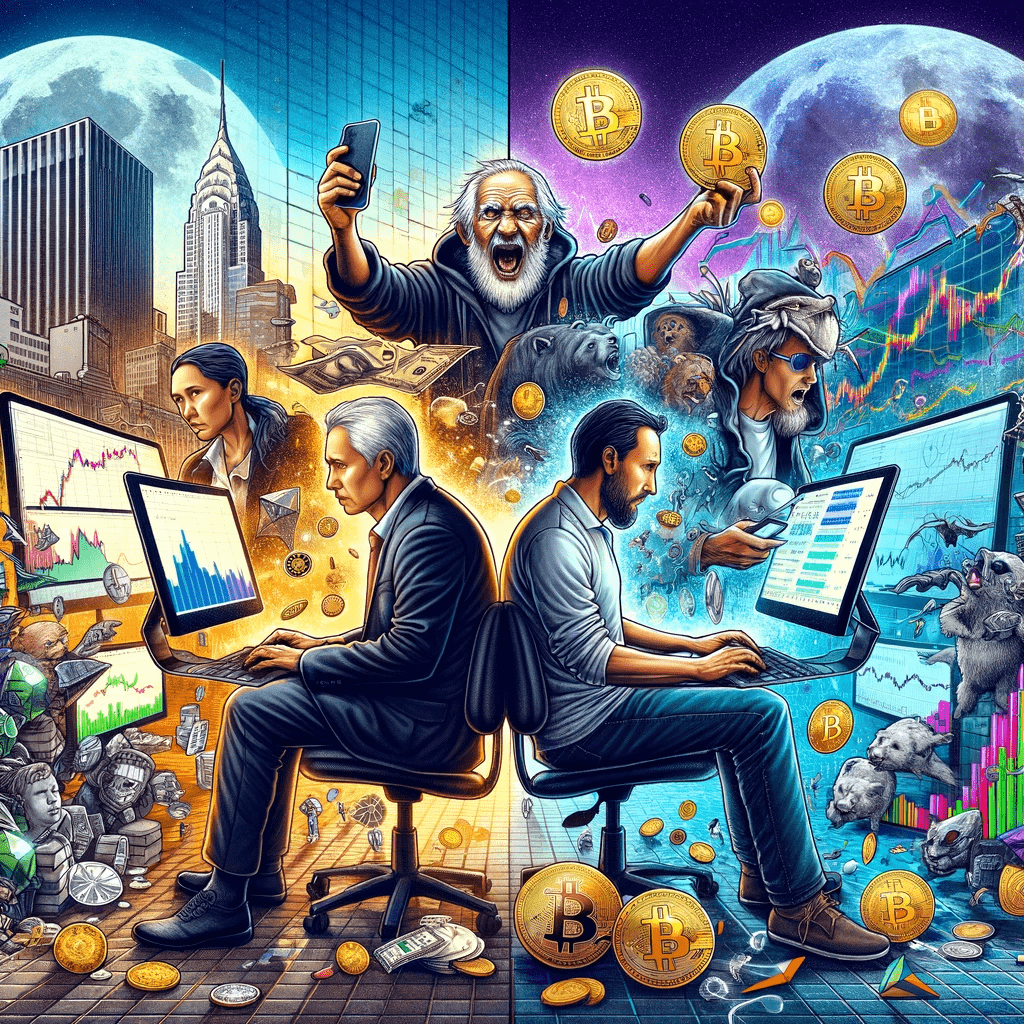

  • Why Investing in Crypto Could Protect Your Wealth as the Economy Shifts: Insights from Raoul Pal

    Raoul Pal outlines an impending transformative shift in the global economy, emphasizing that traditional assets like cash and real estate are losing value due to inflation and changing market dynamics. He argues that blockchain and crypto, particularly Bitcoin and Ethereum, offer unique opportunities for wealth creation by enabling average investors to participate in a digital economy. Pal advocates for investing in digital assets and decentralizing personal financial security, seeing crypto as a hedge against systemic risk in traditional finance.

    As the global economy stands on the brink of major change, former hedge fund manager and Real Vision CEO Raoul Pal argues that traditional assets like cash and real estate may not secure your future as effectively as they once did. Instead, Pal suggests looking to blockchain and cryptocurrency, particularly Bitcoin and Ethereum, as potential pathways to building wealth in this evolving digital age. With the value of traditional assets eroding over time, Pal believes the decentralized and accessible nature of crypto could help individuals not only protect but grow their assets.

    The Shifting Economic Landscape and the Case for Crypto

    Pal highlights a pressing concern for today’s investors: inflation and economic policies are eating away at the value of cash and other conventional assets. For years, buying a home was seen as a reliable way to build wealth. But with rising property costs, stagnant wages, and uncertain financial returns, real estate is increasingly out of reach for many young people. This reality means that cash savings, pensions, and other traditional financial plans may not be as dependable as they once seemed.

    For those looking to safeguard their financial future, Pal suggests exploring the digital economy, where blockchain technology and cryptocurrency are reshaping how people store and grow wealth. Unlike banks or financial institutions, which hold onto your money and control it, crypto gives you control over your assets, making it a decentralized alternative that doesn’t depend on the stability of traditional banks.

    The Power of Blockchain Technology: More Than Just Money

    Many people still associate blockchain with Bitcoin and speculative investments. However, Pal emphasizes that blockchain is much more than that. It represents a revolutionary technology that democratizes ownership, allowing anyone with internet access to participate in a global financial system. Through decentralized networks, blockchain provides transparency and reduces reliance on middlemen, like banks, which in turn makes financial transactions more secure and transparent.

    For example, consider Ethereum, often called the “world computer.” Ethereum’s blockchain can store “smart contracts,” or self-executing agreements that don’t require lawyers or intermediaries. This technology is being used to power everything from new financial products to digital collectibles like NFTs (non-fungible tokens) and has created opportunities that didn’t exist a decade ago.

    In Pal’s view, owning digital assets like Bitcoin or Ethereum could be like holding a piece of the internet in its early days. As more people use these networks, their value could rise, providing significant returns for investors.

    Why Early Investment in Crypto Matters

    One of Pal’s key arguments is that early investment in crypto allows everyday people—not just Wall Street insiders—to gain a foothold in a rapidly growing sector. Bitcoin, for example, has outperformed traditional assets like the S&P 500 by a large margin, growing at an annualized rate of around 145% over the past decade. While investing in traditional stocks may yield returns of 10-20% annually, crypto offers the potential for much higher gains—albeit with more risk.

    However, Pal advises caution and encourages potential investors to start with small, manageable amounts. He stresses the importance of security, such as using hardware wallets to protect digital assets, to help avoid common pitfalls that come with crypto investment.

    Practical Steps to Getting Started with Crypto

    If you’re considering investing in crypto, here are some practical steps Pal recommends:

    1. Start Small and Stick with the Basics: Begin by investing a modest amount that you can afford to lose. Start with major coins like Bitcoin and Ethereum, which are widely available on reputable platforms.
    2. Secure Your Assets: Learn how to protect your digital assets by understanding private keys and using secure methods like hardware wallets to store your investments.
    3. Shift Your Perspective: Recognize that the financial landscape is changing and that crypto offers a way to diversify your investments away from traditional, centralized systems.
    4. Invest in Quality of Life: Pal also encourages people to remember that wealth is not an end in itself. The true value of investing is in the freedom and quality of life it can provide. This could mean different things for different people—whether it’s enjoying travel, pursuing a passion, or simply feeling financially secure.

    Looking Ahead: What’s Next for Investors?

    Pal’s approach is about more than just making a quick profit; it’s about preparing for a future where digital assets play a larger role in our everyday lives. He sees blockchain technology reshaping the economy much like the internet did in the 1990s and advises people to explore this space to keep pace with the rapidly evolving world.

    Whether you’re new to investing or considering a fresh approach, Pal’s message is clear: the old paths to financial security may no longer be enough. By understanding and exploring new technologies, investors can prepare for a digital future and, perhaps, find financial freedom along the way.

  • How To Tell If You Are You a Normie?

    In the ever-evolving world of cryptocurrency, jargon and slang play a significant role in defining one’s understanding and status within the community. One term that has gained traction is “normie,” often used by seasoned crypto enthusiasts to describe newcomers or those less familiar with the intricate workings of the crypto world. This article delves into the characteristics of a “normie” versus a crypto OG (Original Gangster) and provides insights on how to determine if you fall into the former category.

    Understanding the Crypto ‘Normie’

    A “normie” in crypto terms typically refers to someone new to the cryptocurrency space or someone who has a surface-level understanding of digital currencies and blockchain technology. This individual might have joined the crypto bandwagon influenced by mainstream media hype or peer pressure without a deep comprehension of the underlying principles of decentralized finance (DeFi).

    Behaviors of Normies vs. Crypto OGs

    Investment Approach: Normies are often characterized by their cautious or conventional investment approach. They might stick to well-known cryptocurrencies like Bitcoin and Ethereum, hesitant to explore lesser-known altcoins. Conversely, crypto OGs, who have been in the space since its nascent stages, are more adventurous, diversifying their portfolios with various digital assets, including DeFi tokens and NFTs (Non-Fungible Tokens).

    Market Reaction: The cryptocurrency market is known for its volatility. Normies might react hastily to market fluctuations, often swayed by the FOMO (Fear of Missing Out) or FUD (Fear, Uncertainty, and Doubt) generated by the media. In contrast, crypto OGs usually exhibit a more measured response, relying on their experience and understanding of market cycles.

    Community Engagement: Normies may not be as active in crypto forums or social media discussions. They often rely on mainstream news for information, unlike crypto OGs who are deeply ingrained in the community, engaging in discussions on platforms like Reddit, Twitter, or specialized crypto forums.

    How to Tell if You Are a Normie

    1. Your Knowledge Base: If your understanding of crypto is limited to its price movements and you find blockchain technology concepts baffling, you might be a normie.
    2. Source of Information: Relying solely on mainstream media for crypto news is another hallmark of a normie. Crypto OGs often turn to niche blogs, whitepapers, and community discussions for their information.
    3. Investment Behavior: If your investment strategy lacks diversification and is driven by hype rather than research, this is a normie trait.

    Embracing the Learning Curve

    Being a normie isn’t a permanent label. The crypto world is welcoming and educational resources are abundant. Whether you’re a normie or aspiring to be a crypto OG, the key lies in continuous learning and staying updated with the dynamic landscape of cryptocurrency. Remember, every expert was once a beginner, and the journey from a normie to a seasoned crypto enthusiast is an enriching experience filled with learning opportunities.

  • Unmasking the Double Standards: Environmentalists’ Contradictory Stance on Bitcoin and Electric Cars

    Unmasking the Double Standards: Environmentalists' Contradictory Stance on Bitcoin and Electric Cars

    In recent years, the focus on climate change and its potential consequences has grown exponentially. With this increase in attention has come a wave of environmental activism, with many supporters advocating for sustainable technology and reduced carbon emissions. However, some environmentalists have been accused of hypocrisy for their seemingly contradictory views on various technologies, specifically Bitcoin and electric cars. This article will explore the reasons behind this criticism and examine the environmental impact of both technologies.

    The Environmental Impact of Bitcoin

    Bitcoin, a digital cryptocurrency, has come under fire from environmentalists due to its significant energy consumption. The process of mining Bitcoin, which involves solving complex mathematical problems to validate transactions and create new coins, requires massive amounts of computing power. This power demand has led to the consumption of vast amounts of electricity, with some estimates suggesting that Bitcoin’s total energy usage rivals that of entire countries.

    Critics argue that this energy consumption contributes to increased greenhouse gas emissions, exacerbating climate change. Additionally, many Bitcoin mining operations rely on non-renewable energy sources such as coal, further contributing to pollution and environmental degradation.

    The Environmental Benefits of Electric Cars

    In contrast, electric vehicles (EVs) are often hailed as a green alternative to traditional internal combustion engine vehicles. By replacing fossil fuel-powered cars with electric ones, environmentalists argue that we can significantly reduce transportation-related greenhouse gas emissions, which account for a significant portion of global emissions.

    EVs also have the potential to run on renewable energy sources, such as solar or wind power, further reducing their environmental impact. Additionally, electric cars are generally more energy-efficient than their gasoline-powered counterparts, requiring less energy to travel the same distance.

    The Hypocrisy Argument

    Given the environmental concerns associated with Bitcoin, it’s not surprising that many environmentalists oppose its widespread adoption. However, some critics argue that this opposition is hypocritical when considering the support for electric vehicles, which also have an environmental impact.

    While it is true that EVs have a lower overall carbon footprint than traditional cars, they are not entirely devoid of environmental concerns. For example, the production of batteries for electric vehicles requires the extraction of minerals like lithium and cobalt, which can have significant environmental and social consequences.

    Furthermore, the electricity used to power electric cars often comes from non-renewable sources like coal and natural gas, which contribute to greenhouse gas emissions. Although EVs can be powered by renewable energy, this is not always the case, and critics argue that environmentalists should be more consistent in their evaluation of the environmental impacts of various technologies.

    While there is no denying that both Bitcoin and electric vehicles have environmental implications, it is essential to recognize that the impacts of these technologies are not equal. Electric cars offer a more sustainable alternative to traditional vehicles, while the environmental concerns surrounding Bitcoin are harder to justify.

    However, critics do raise a valid point in calling for consistency in evaluating the environmental impact of different technologies. Environmentalists must strive to apply the same scrutiny to all technologies and consider the broader context in which they operate. Only then can we work towards a truly sustainable future.

  • Unearthing Bitcoin’s Green Potential: A Sustainable Cryptocurrency Future

    Unearthing Bitcoin's Green Potential: A Sustainable Cryptocurrency Future

    Contrary to popular belief, Bitcoin is not an environmental disaster but rather holds untapped potential for a sustainable future. By analyzing its energy consumption, decentralized nature, and innovative technologies, we can see how Bitcoin can contribute positively to our planet. In this essay, we will explore the green potential of Bitcoin and debunk the common misconceptions surrounding its environmental impact.

    Energy Efficiency: Bitcoin mining, the process of validating transactions and adding them to the blockchain, has been criticized for its high energy consumption. However, it is essential to acknowledge that a substantial portion of this energy comes from renewable sources. A 2021 study found that around 39% of the total energy used in Bitcoin mining came from renewables, a number that has been steadily increasing. Furthermore, mining centers are often located in regions with abundant renewable energy resources, taking advantage of low-cost electricity and minimizing their carbon footprint.

    Decentralization and Reduced Resource Waste: Unlike traditional centralized financial systems, Bitcoin operates on a decentralized, peer-to-peer network. This decentralization reduces the need for physical infrastructure and the environmental impact associated with building and maintaining bank branches, ATMs, and payment processing centers. Additionally, Bitcoin’s digital nature eliminates the need for paper-based transactions, such as printing banknotes and checks, leading to a reduction in paper waste and deforestation.

    Incentivizing Renewable Energy Development: The demand for energy-efficient and cost-effective mining practices has led to a surge in renewable energy innovations. Bitcoin miners, driven by profit motives, are more inclined to use renewable energy sources due to their lower costs. This fosters the development of renewable energy projects and encourages further investment in green technologies.

    E-Waste Reduction: Critics often highlight the electronic waste generated by discarded mining equipment. However, the growth of specialized mining hardware has resulted in more energy-efficient devices with longer lifespans. Moreover, the recycling and repurposing of old mining equipment can significantly reduce e-waste, promoting a circular economy in the technology sector.

    Conclusion: Though Bitcoin has faced criticism for its environmental impact, it is essential to recognize its potential for promoting a sustainable future. By leveraging renewable energy sources, reducing resource waste, and incentivizing green technological innovation, Bitcoin can contribute to our global efforts in combating climate change. As we move towards a more environmentally conscious world, embracing Bitcoin’s green potential will play a crucial role in creating a sustainable financial ecosystem.

    Topics for Further Exploration:

    1. Comparing the environmental impact of Bitcoin to traditional financial systems.
    2. The role of government policies in promoting sustainable cryptocurrency mining practices.
    3. Assessing the potential of other cryptocurrencies with eco-friendly features.
    4. Exploring the connection between blockchain technology and sustainable development goals.
    5. Investigating the potential of recycling and repurposing e-waste from cryptocurrency mining.